
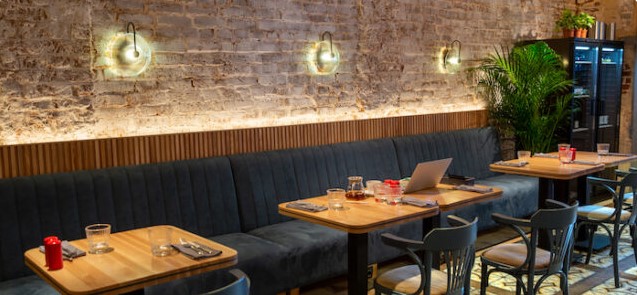
In the restaurant world, cleanliness is often viewed as a basic operational task. Staff mop floors, sanitize prep surfaces, and restock restroom supplies throughout the day. While these visible actions are important, they are only one part of a much larger sanitation framework. When deeper cleaning systems are neglected or inconsistently managed, the resulting risks can quietly grow and eventually affect both customer safety and business credibility.
Every restaurant faces the ongoing challenge of maintaining hygienic standards. What distinguishes successful establishments from those that struggle often comes down to consistency and oversight. A slightly dirty entryway or a restroom that appears poorly maintained may seem minor, but these details can indicate broader gaps in sanitation processes. Small lapses frequently signal that standards are slipping, and when left unaddressed, they can lead to more significant issues.
From Early Warnings to Serious Risks
Persistent drain odors, mold developing in grout lines, and heavy grease buildup in kitchens are indicators that cleaning protocols may not be keeping pace with daily demands. These problems go beyond appearance. They can affect guest perception and create unsafe conditions for employees. The longer these concerns are ignored, the more complex and expensive they become to correct.
Major sanitation failures such as pest infestations, cross-contamination between restrooms and food preparation areas, or health department closures rarely occur without warning. They are typically the outcome of repeated oversights that accumulate over time. Beyond the immediate operational disruption, these incidents can undermine public trust and require significant effort to restore confidence.
Financial consequences such as lost revenue, fines, and remediation costs can be substantial. However, reputational damage often proves more lasting. A single online review or social media post highlighting cleanliness concerns can influence potential customers and impact future sales.
Staying Ahead of the Risk
The most effective defense against escalating sanitation problems is proactive intervention. Regular commercial cleaning and professional disinfection services help address hidden hygiene threats before they become visible issues. Deep cleaning kitchens and restrooms, maintaining drains to prevent bacterial buildup, and applying hospital grade disinfectants to frequently touched surfaces all contribute to a safer and more inviting environment.
In an industry where online feedback and word of mouth shape customer decisions, a restaurant’s commitment to cleanliness can define its success. Upholding strong hygiene standards is not merely about regulatory compliance. It is about protecting guests, strengthening trust, and building a business that customers feel confident supporting and returning to.
Explore the full breakdown of how minor sanitation lapses can evolve into serious hazards in the resource linked below from Enviro-Master, a provider of daycare cleaning services.


